What Is an RTOS? Real-Time Operating Systems in Industrial Automation
Table of Contents
What Is an RTOS?
An RTOS (Real-Time Operating System) is an operating system designed to execute tasks within guaranteed, deterministic time constraints. Unlike Windows or Linux, which prioritise throughput and multitasking, an RTOS guarantees that a specific task will be executed within a defined time window — typically microseconds to milliseconds — regardless of other system activity.
Why Industrial Automation Needs Real-Time Computing
In motion control, a servo drive receives position commands every 250 microseconds. If the controller misses even one command cycle, the motor stutters and the machine faults. In safety systems, an emergency stop must be processed within 10ms of detection. Standard operating systems like Windows cannot guarantee these response times because background processes (antivirus, OS updates, driver interrupts) can delay task execution unpredictably.
Popular RTOS Platforms
- VxWorks — industry-standard commercial RTOS for aerospace, defence, and industrial automation
- QNX — POSIX-compatible RTOS used in automotive and medical devices
- FreeRTOS — open-source RTOS for microcontrollers and IoT gateways
- PREEMPT_RT Linux — real-time patch for Linux, used in soft real-time industrial applications
- Windows CE / Windows IoT — soft real-time; used in HMI panels and operator terminals
Hard Real-Time vs Soft Real-Time
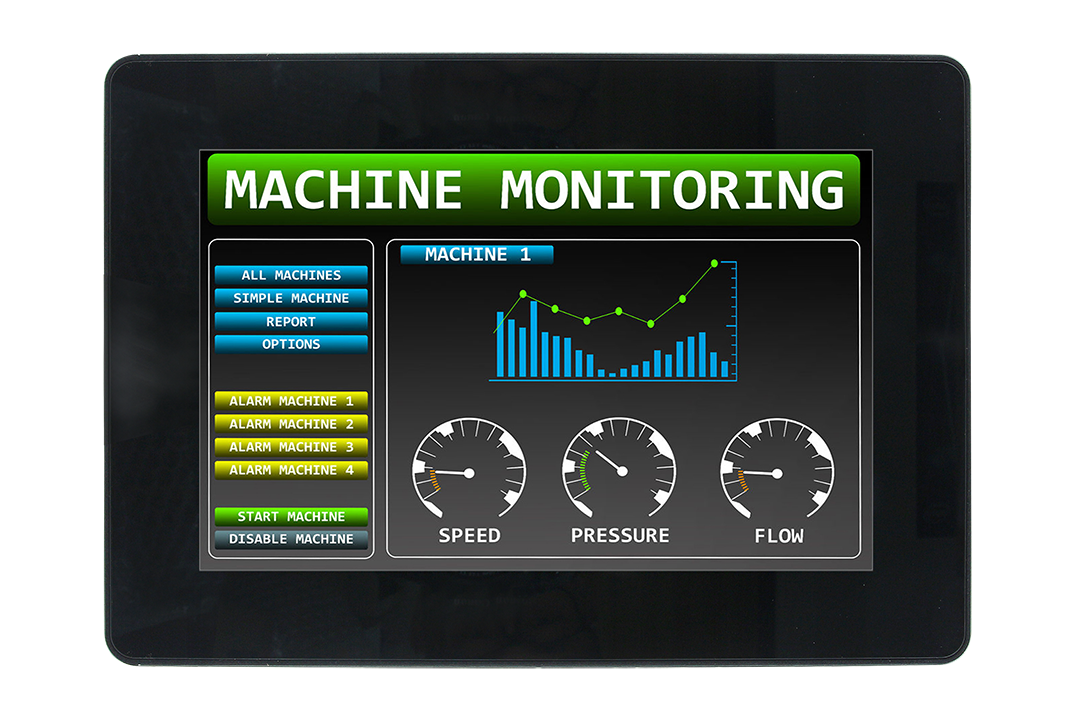
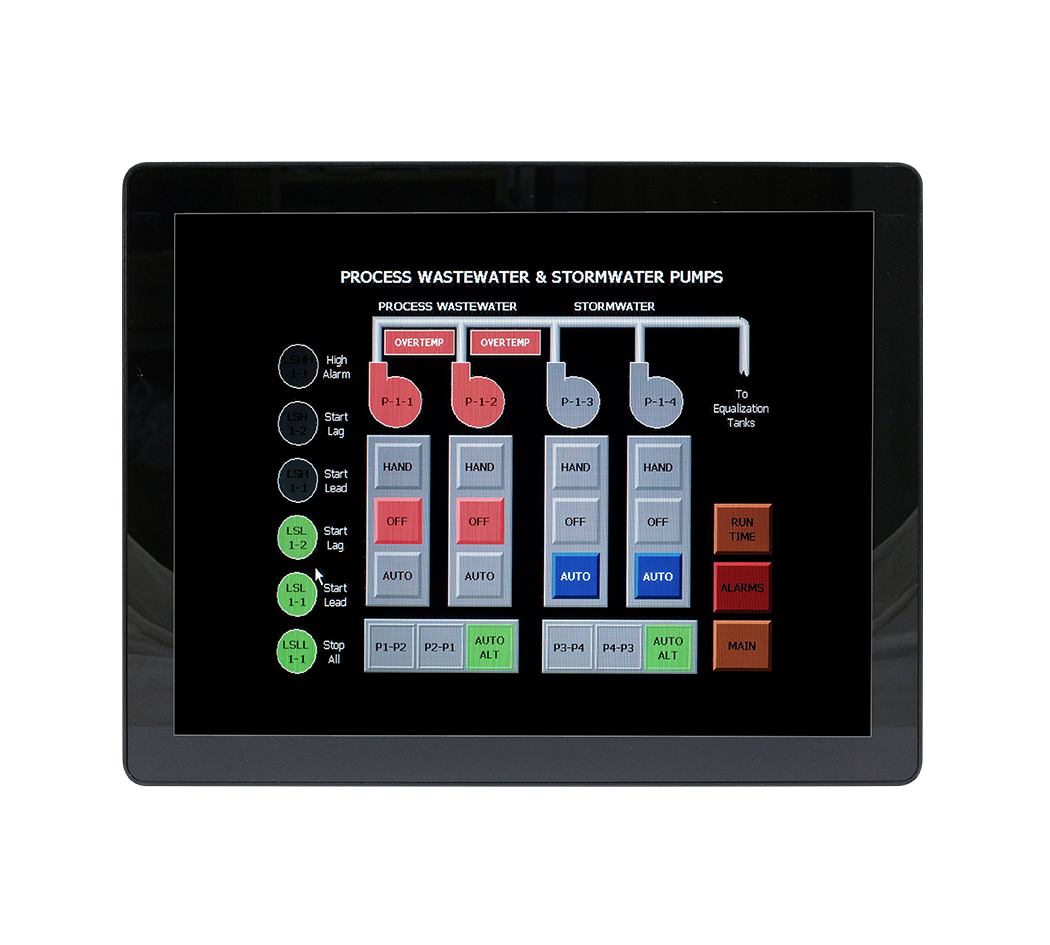
Hard real-time — missing a deadline is a system failure (e.g., motion control, safety PLCs). Soft real-time — occasional deadline misses are tolerable (e.g., HMI updates, data logging). Most Cermate HMI panels run embedded Windows CE or Linux with soft real-time characteristics — sufficient for operator interface and PLC communication tasks.
Frequently Asked Questions
What is an RTOS (Real-Time Operating System)?
What is the difference between hard real-time and soft real-time systems?
What RTOSes are used in industrial automation?
Can Windows be used as a real-time OS for industrial control?
Does TSL Automation supply real-time computing hardware?
TSL Automation Solutions
Head of Marketing, TSL Automation Solutions
Sanjana covers industrial automation trends, product launches, and technology insights for TSL Automation Solutions, a Mumbai-based distributor of HMI, Panel PC, and embedded computing systems serving manufacturers across India and globally.
Need help choosing the right product?
Our team in Mumbai can recommend the right HMI, Panel PC, or embedded system for your application.
Contact TSL Automation