What Is a Fieldbus Network? Industrial Communication Explained

Table of Contents
What Is a Fieldbus?
A fieldbus is a two-way digital communication network used in industrial automation to connect field devices — PLCs, sensors, actuators, drives, and HMIs — on the factory floor. Before fieldbus, each device required its own point-to-point wiring back to the control panel. A fieldbus replaces hundreds of individual cables with a single shared network, reducing wiring costs, installation time, and fault-finding complexity.
Common Fieldbus Protocols
| Protocol | Type | Typical Use |
|---|---|---|
| Modbus RTU | Serial (RS-485) | PLCs, drives, sensors — most widely used globally |
| PROFIBUS DP | Serial (RS-485) | Siemens PLC ecosystems, process automation |
| DeviceNet | CAN-based | Allen-Bradley/Rockwell systems |
| PROFINET | Industrial Ethernet | High-speed Siemens networks |
| EtherNet/IP | Industrial Ethernet | Rockwell Automation systems |
| Modbus TCP | Ethernet | Modern PLC and SCADA integration |
Fieldbus vs Industrial Ethernet
Traditional fieldbus networks (Modbus RTU, PROFIBUS) use RS-485 serial communication at speeds of 9.6 kbps to 12 Mbps. Industrial Ethernet-based protocols (PROFINET, EtherNet/IP, Modbus TCP) use standard Ethernet cabling at 100 Mbps to 1 Gbps, enabling faster data transfer and easier integration with IT systems.
Which Protocol Is Right for Your Plant?
- Modbus RTU/TCP — Universal choice; supported by virtually all PLC and HMI brands
- PROFIBUS — If you are using Siemens S7 PLCs with legacy installations
- PROFINET — New Siemens installations requiring high-speed Ethernet
- EtherNet/IP — Rockwell/Allen-Bradley ecosystems
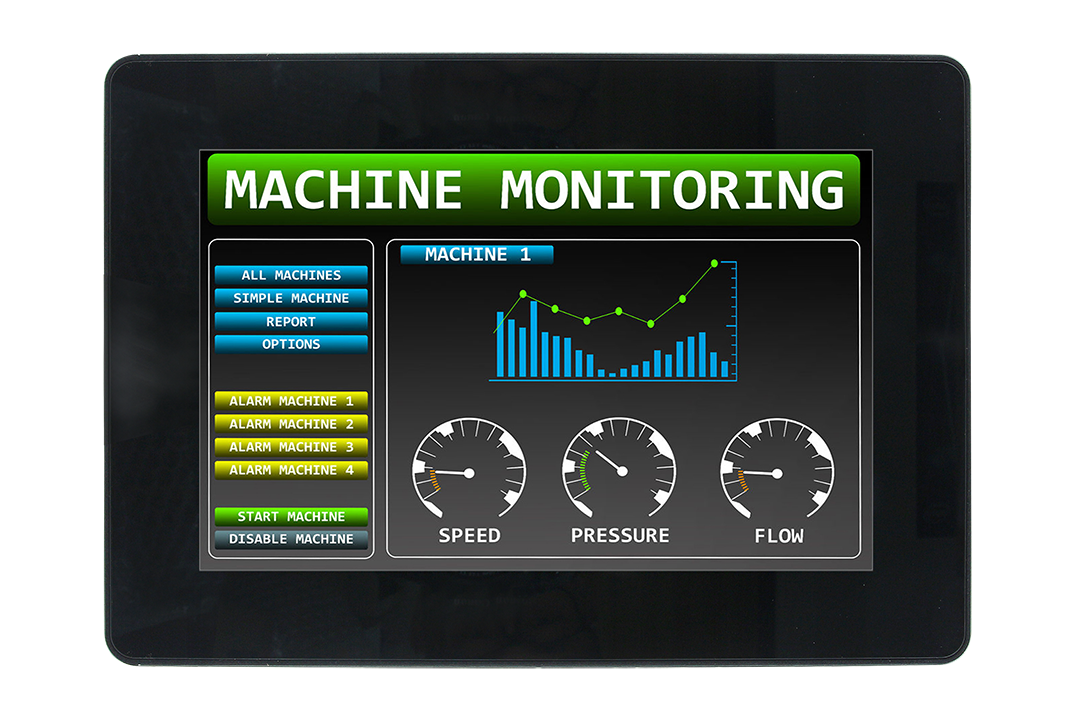
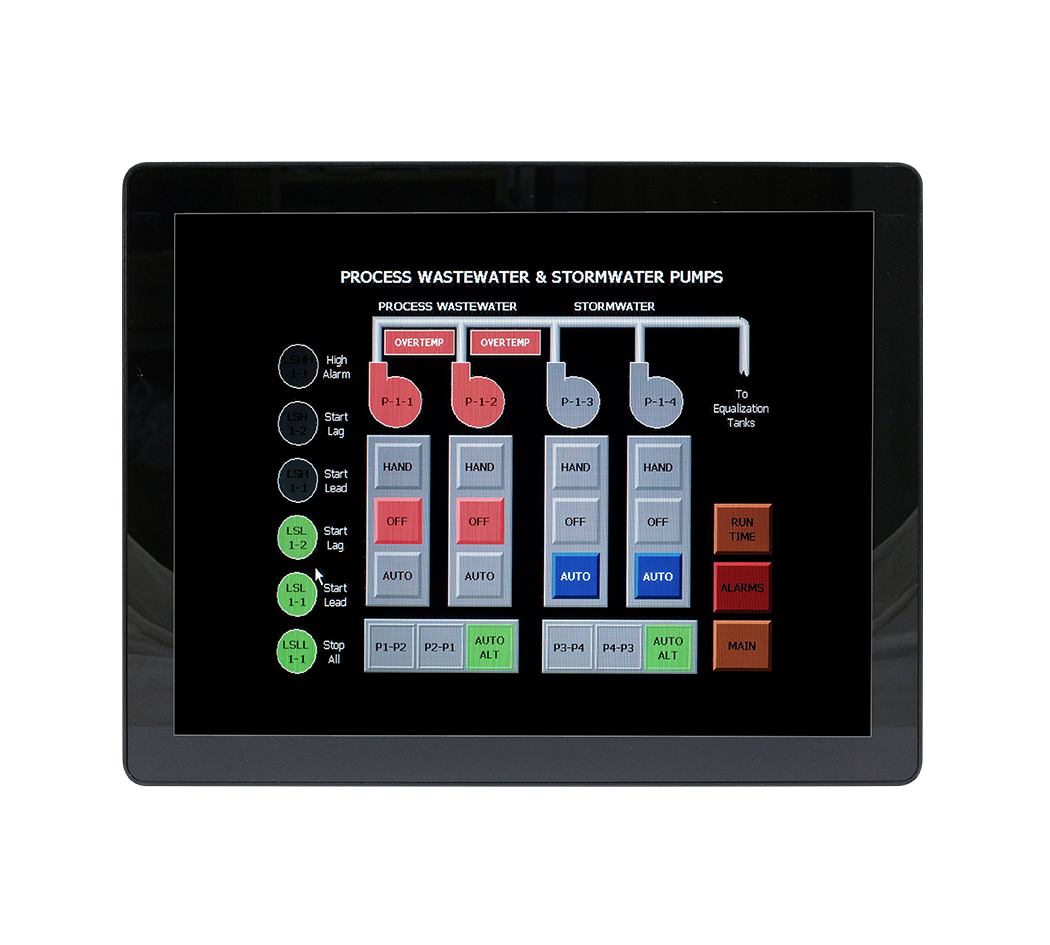
All Cermate HMI panels from TSL Automation support Modbus RTU, Modbus TCP, and a wide range of PLC protocols — ensuring compatibility with whatever fieldbus your plant uses.
Frequently Asked Questions
What is a fieldbus network in industrial automation?
What is the difference between fieldbus and industrial Ethernet?
What is PROFIBUS and where is it used?
How do I connect a legacy fieldbus device to a modern OPC UA system?
Does TSL Automation supply industrial PCs with fieldbus connectivity?
TSL Automation Solutions
Head of Marketing, TSL Automation Solutions
Sanjana covers industrial automation trends, product launches, and technology insights for TSL Automation Solutions, a Mumbai-based distributor of HMI, Panel PC, and embedded computing systems serving manufacturers across India and globally.
Need help choosing the right product?
Our team in Mumbai can recommend the right HMI, Panel PC, or embedded system for your application.
Contact TSL Automation